

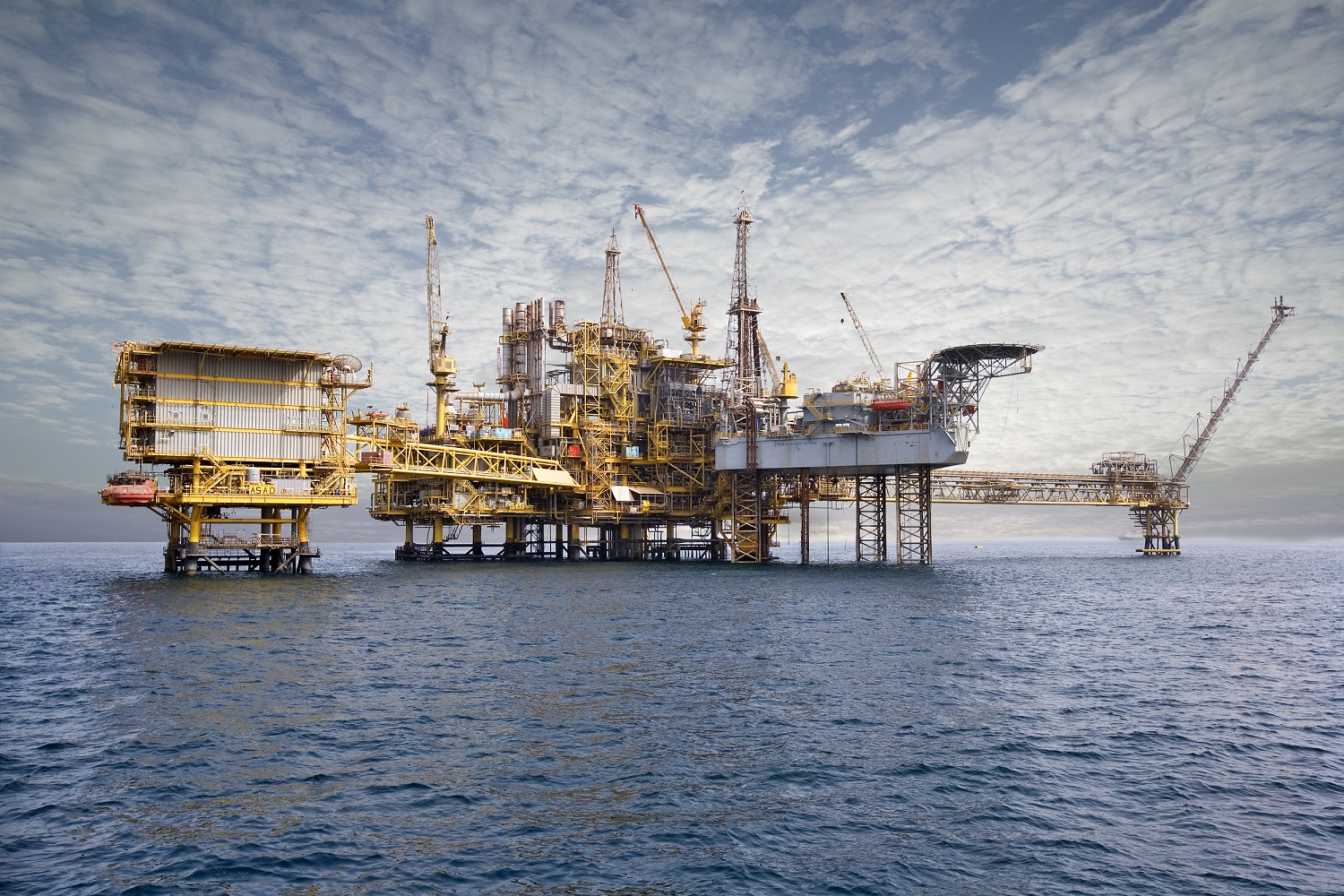
The reservoir is estimated to hold two trillion cubic feet of gas
Italy’s Eni has made a major gas discovery in Egyptian waters after drilling a new offshore well in the Mediterranean Sea.
The reservoir holds an estimated 2 trillion cubic feet of gas as well as 130,000 barrels of condensate, according to a statement released by the Rome-headquartered oil and gas company.
The discovery was announced after the drilling of the Denise W-1 exploration well in the Temsah Concession, around 70 kilometres off the coast of Egypt.
The well was drilled at a water depth of 95 metres, and it is located less than 10km from existing gas infrastructure.
The close proximity to existing infrastructure will allow the reserve to be developed on a fast-track basis, according to Eni.
Eni said that the newly discovered reserve is similar to the nearby Temsah field, which has been in production since 2001, as it features a gas-bearing sandstone reservoir of “excellent quality” with an estimated 50 metres of productive rock.
The company also said: “The discovery reinforces Eni’s commitment to supporting Egypt’s national goals of boosting reserves and increasing gas production, thereby strengthening the country’s energy security.”
It added: “This new discovery confirms Eni’s successful strategy in substantially rejuvenating producing assets through near-field and infrastructure-led exploration.”
The drilling of the Denise W-1 well followed Eni’s signing of a binding agreement in July 2025 with Egyptian General Petroleum Corporation and Egas for a 20-year renewal of the Temsah concession.
Eni operates the Denise Development Lease of the Temsah concession with a 50% contractor working interest, alongside London-headquartered BP, which holds the remaining 50%.
The asset is operated through Petrobel, a joint-venture operating company.
Eni has been active in Egypt since 1954 and today holds a portfolio spanning exploration, development and production.
It produced 242,000 barrels of oil equivalent in 2025.
Egypt is currently seeing an uptick in activity in its gas sector as investors pour money into boosting domestic production and the country makes deals to leverage its existing liquefied natural gas (LNG) export infrastructure.
The increase in activity has come as the disruption to shipping through the Strait of Hormuz continues to prevent the shipment of around 20% of the world’s LNG supplies to consumer nations.
While Egypt remains a net importer of natural gas, its geographical position, significant gas reserves and existing infrastructure, including two LNG export terminals, mean it can potentially capitalise on the current supply crunch.
MEED’s March 2026 report on Egypt includes:
> COMMENT: Egypt’s crisis mode gives way to cautious revival
> GOVERNMENT: Egypt adapts its foreign policy approach
> ECONOMY & BANKING: Egypt nears return to economic stability
> OIL & GAS: Egypt’s oil and gas sector shows bright spots
> POWER & WATER: Egypt utility contracts hit $5bn decade peak
> CONSTRUCTION: Coastal destinations are a boon to Egyptian construction
To see previous issues of MEED Business Review, please click here
You might also like...


A MEED Subscription...
Subscribe or upgrade your current MEED.com package to support your strategic planning with the MENA region’s best source of business information. Proceed to our online shop below to find out more about the features in each package.