


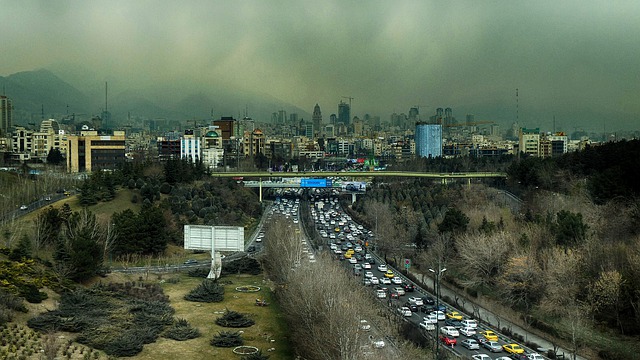
Long term growth will be driven by investments in the industrial, transport, housing, and energy sectors
The construction industry in Iran is poised for a slight contraction of 0.6% in real terms in 2025, according to a recent report by GlobalData.
This downturn is attributed to a combination of factors, including high inflation, military conflict with Israel and the US, and the devaluation of the Iranian Rial against the US Dollar.
In addition to geopolitical tensions, the Iranian construction industry is grappling with the effects of US sanctions, which have intensified this year. These sanctions target Iranian oil exports and threaten secondary tariffs on countries trading with Iran, creating an environment of uncertainty for foreign investment. The recent sanctions on construction-related materials, including tungsten and certain aluminium products, have further strained the sector, leading to increased material costs and project delays.

Despite these challenges, there are signs of potential recovery in the longer term. Between 2025 and 2028, GlobalData expects the construction industry to register an average annual growth rate of 3.8%, driven by investments in the industrial, transport, housing, and energy sectors. The Iranian government has ambitious plans to add 30GW of renewable energy generation by 2030, and significant agreements have been signed with Russia for the construction of nuclear power plants, which could bolster energy infrastructure.
The government’s budget for the Iranian Calendar Year 2025-26, estimated at IRR64.8 quadrillion ($114.6bn), reflects a 23.1% increase from the previous year, with substantial allocations for the oil and gas sectors. This budget aims to support various ministries, including health and education, which could indirectly benefit the construction sector through infrastructure development.
In the commercial construction sector, a decline of 2.7% is anticipated in 2025, primarily due to the ongoing conflict, which has adversely affected tourism.
Projections indicate a rebound with an average growth rate of 2.6% from 2026 to 2029, supported by government initiatives to enhance tourism infrastructure, including the construction of new hotels and tourism projects.
The industrial construction sector is also expected to face a contraction of 2.6% in 2025, hindered by electricity shortages and currency volatility. Investments in mining and manufacturing are expected to drive growth in subsequent years.
Infrastructure construction is projected to decline by 1.5% in 2025, but with plans for extensive rail and port development, the sector could see an average growth rate of 3.7% from 2026 to 2029. The government aims to enhance rail transport's share of national transport to 30% by 2027, which could stimulate further investment.
You might also like...

Data discipline is the key to AI success in construction
26 February 2026

Qatar takes a quantum leap in fulfilling LNG ambitions
26 February 2026
Contractor appointed for UAE-Saudi power grid interconnection
26 February 2026

Egypt’s crisis mode gives way to cautious revival
26 February 2026


A MEED Subscription...
Subscribe or upgrade your current MEED.com package to support your strategic planning with the MENA region’s best source of business information. Proceed to our online shop below to find out more about the features in each package.