

Work on jetty reinforcement is behind schedule
Iraq’s first liquefied natural gas (LNG) import terminal, which has an estimated project value of $450m, is now expected to become operational in 2027 due to delays caused by the regional war and disruption to shipping through the Strait of Hormuz.
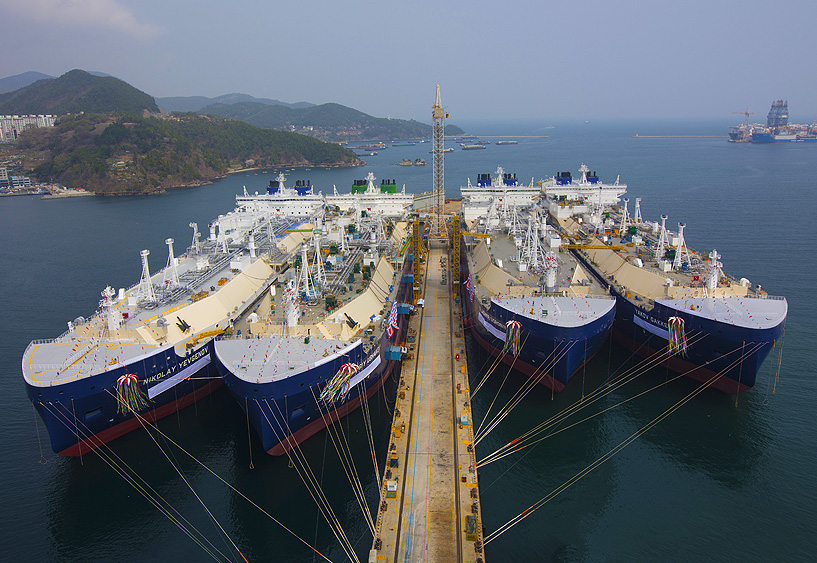
Work on jetty reinforcement and fixed terminal infrastructure at the Port of Khor Al-Zubair has been delayed, according to a statement from US-based Excelerate Energy, which is contracted to develop the facility.
In its statement, the company said: “We are revising our full-year guidance to reflect the delayed startup of our Iraq terminal due to the ongoing conflict in the Middle East.”
It added: “The Iraq project fundamentals remain unchanged. Looking ahead, we continue to have confidence in our sequenced earnings growth through 2028.”
In October 2025, Excelerate signed a definitive commercial agreement with a subsidiary of Iraq’s Ministry of Electricity for the development of the country’s first LNG import terminal.
The integrated project includes a five-year agreement for regasification services and LNG supply, with extension options, and a minimum contracted offtake of 250 million standard cubic feet a day (cf/d).
Excelerate said: “Jetty reinforcement and construction of the fixed terminal infrastructure have been delayed temporarily due to the conflict in the Middle East and the terminal is no longer expected to commence operations in the third quarter of 2026 as previously disclosed.
“Project startup is now expected in 2027. The long-term fundamentals supporting the project remain unchanged, driven by chronic power shortages and limited domestic gas processing capacity in Iraq.
“Current conditions further reinforce the country’s need for reliable and scalable LNG import infrastructure and construction will resume as conditions allow.”
Earlier this year, Iraq’s Ministry of Electricity said that the terminal was on track to come online on 1 June, ahead of expected gas shortages during the summer months.
Then, in late April, the ministry said the project had been delayed by several months and was expected to come online in August at the earliest.
Although Iraq is Opec’s second-largest oil producer after Saudi Arabia, it is a net natural gas importer because its lack of infrastructure investment has meant that, until 2023, it flared roughly half of the estimated 3.12 billion cf/d of gas produced in association with crude oil.
Iraq’s reliance on flaring associated gas instead of gathering and processing it has prevented the country from fully realising its potential as a gas producer and forced the Iraqi government to rely on costly gas and electricity imports from Iran.
 READ THE MAY 2026 MEED BUSINESS REVIEW – click here to view PDF
Global energy sector forced to recalibrate; Conflict hits debt issuance and listings activity; UAE’s non-oil sector faces unclear recovery period amid disruption.
Distributed to senior decision-makers in the region and around the world, the May 2026 edition of MEED Business Review includes:
> REGIONAL LNG: War undermines business case for Middle East LNG > CAPITAL MARKETS: Damage avoidance frames debt issuance > MARKET FOCUS: Conflict tests UAE diversification |
To see previous issues of MEED Business Review, please click here
You might also like...


A MEED Subscription...
Subscribe or upgrade your current MEED.com package to support your strategic planning with the MENA region’s best source of business information. Proceed to our online shop below to find out more about the features in each package.