


Investment is forecast to reach $573.7bn by 2030 says GlobalData
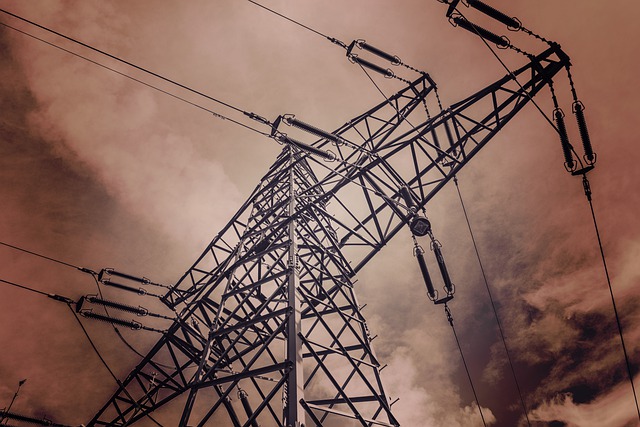
Growth in transmission infrastructure investment is accelerating to meet the rising smart grid demand, with the power transmission market expected to expand strongly through the 2030s.
The growth is being driven by government initiatives, renewable energy integration, the need for greater grid resilience and efficiency, and adoption of technologies like smart meters, artificial intelligence (AI), and the Internet of Things (IoT). The transmission investment is projected to increase from $372.6bn in 2025 to $573.7bn by 2030, according to GlobalData, a leading data and analytics company.
GlobalData’s latest report, “Smart Grid: Strategic Intelligence”, reveals that the transmission investment stood at $343.2bn in 2024, increasing at 10.5% over 2023. Substations accounted for a significant part of the 2024 transmission investment at $246.4bn, followed by the transmission lines at $96.4bn. The transmission investment is estimated to grow at a compound annual growth rate (CAGR) of 9.2% between 2025 and 2030.

Rehaan Shiledar, Power Analyst at GlobalData, comments: “AI is improving smart grids by using real-time data and algorithms for demand forecasting, predictive maintenance, and integrating renewables. It optimises power flow, balances supply and demand, automates responses to instabilities, and prevents equipment failures—leading to fewer outages, less energy waste, and a more reliable, sustainable grid. Companies such as Nvidia and Utilidata have partnered to make regional electrical grids smarter and more efficient by developing software-defined smart grid chips.”
Utility such as Duke Energy is leveraging AI and machine learning for various operational aspects, including fleet management and predictive maintenance. Xcel Energy utilises the AI-powered Grid Vision software from eSmart Systems, which aids in visualising and analysing conditions of power lines and substations. E.ON has developed machine learning algorithms to predict the maintenance needs of medium voltage cables within its grid, aiming to reduce outages significantly. Southern Company is using AI through WeaveGrid, which supports the integration of electric vehicles (EVs) into the electric grid. This technology helps in optimising energy distribution and planning for EV infrastructure.
Shiledar continues: “Data centres are playing a crucial role in the functioning and evolution of smart grids, primarily due to their significant energy demands and the integration of advanced technologies. They deliver essential data processing and storage functions to oversee energy distribution, incorporate renewable sources, enable AI-powered grid automation, and contribute to grid services such as frequency regulation.
Utilising technologies like microgrids, energy storage systems, and grid-interactive uninterruptible power supplies (UPS), data centres can refine their energy consumption, increase carbon consciousness, and proactively aid in creating a stable, resilient, and sustainable power infrastructure.”
Data centres are pivotal in enhancing the reliability and efficiency of the electric grid. Initiatives like the DCFlex programme, which involves collaboration between utilities and data center technology companies, aim to integrate data centres with grid operations to support operational flexibility and improve grid integration. This has resulted in a notable surge in data centre projects, particularly driven by the increasing demand for data storage and processing capabilities, largely due to the rise of AI technologies. It is imperative to note that advanced data centres can supply power back to the grid during emergencies, a feature known as bidirectional power flow.
Shiledar concludes: “The smart grid market is projected to experience continued significant growth due to increasing demand for energy efficiency, renewable energy integration, modernisation of energy infrastructure, and supportive government policies. Also, the deployment of technologies like AI, big data, and blockchain is leading toward enhance grid management. Smart grid solutions will give utilities and large energy consumers the tools needed to transform how electricity is generated, delivered and consumed through advanced metering infrastructure and two-way communications for granular visibility.”
You might also like...






A MEED Subscription...
Subscribe or upgrade your current MEED.com package to support your strategic planning with the MENA region’s best source of business information. Proceed to our online shop below to find out more about the features in each package.