


As the 2026 Iran War disrupts Middle East logistics, a landmark Dubai Court ruling provides GCC contractors with a blueprint to defeat opportunistic suppliers
As the 2026 Iran War disrupts critical maritime chokepoints and aviation corridors, the GCC construction sector faces unprecedented logistical challenges. Consequently, regional engineering, procurement and construction (EPC) contractors are being inundated with force majeure notices.
International suppliers claim the geopolitical crisis prevents them from fulfilling contracts, arguing this shields them from liability and allows them to retain massive advance payments. However, a contentious legal dilemma has emerged: Can a supplier weaponise an active conflict to camouflage a pre-existing breach, such as manufacturing defective materials or missing critical deadlines before the crisis erupted?
For construction executives, GCC civil law provides a highly unforgiving answer. By examining a landmark judgment from the Dubai Court of First Instance (Judgment No. 695/2023) concerning the 2023 Sudan war, contractors can find a definitive legal playbook for the current environment.

The Sudan precedent
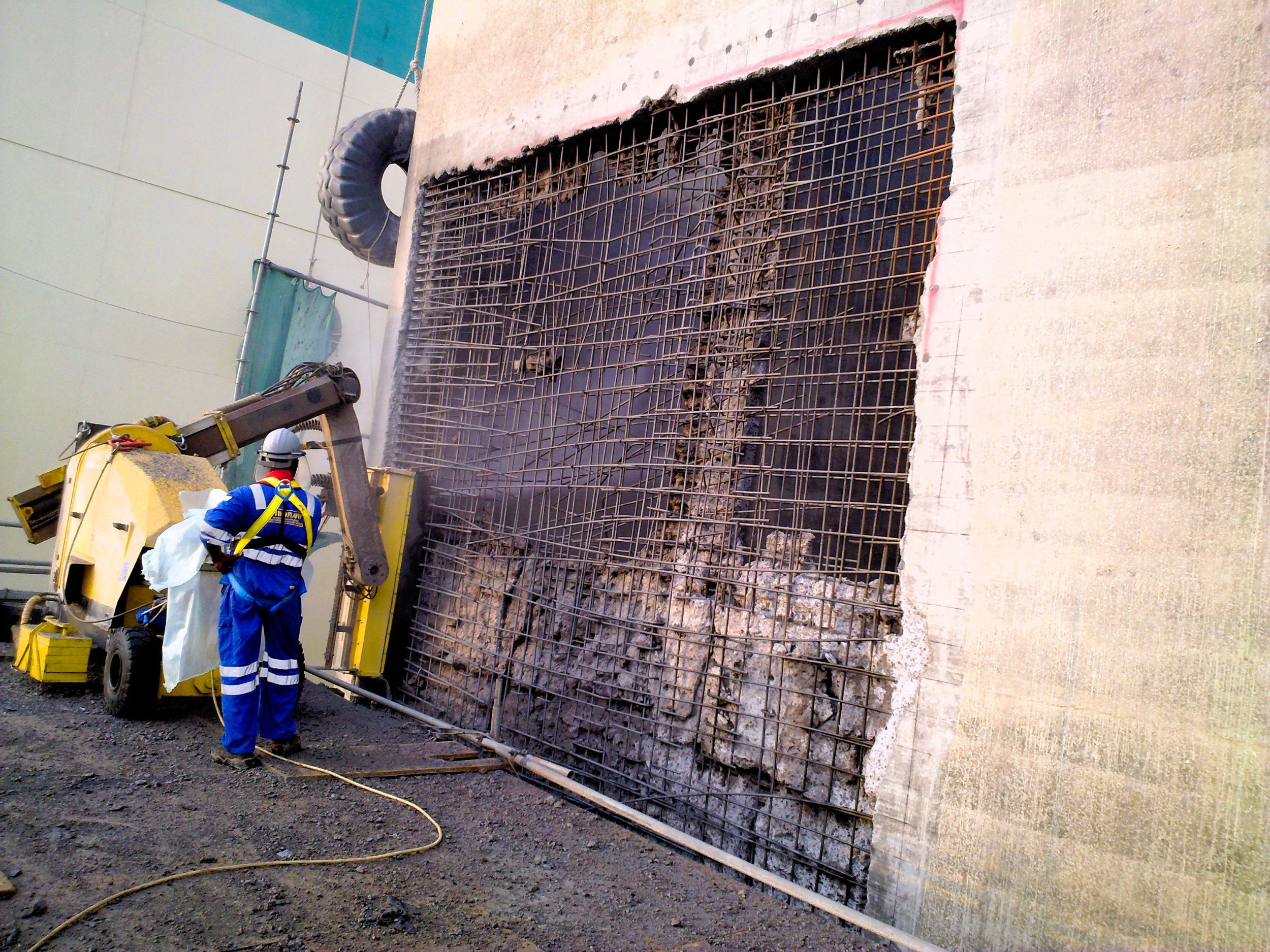
The factual matrix of the 2023 Sudan dispute serves as a perfect analogue for today’s supply chain fracturing. A regional contractor paid a 30% advance ($1.27m) for the offshore manufacture of structural steel water tanks destined for Sudan. In March 2023, an independent SGS inspection revealed critical life-safety and structural defects in the steel columns.
Faced with a formal breach notice, the supplier proposed a “fix-it on-site” workaround, planning to fly engineers to Khartoum to alter concrete foundations to compensate for the defective steel. Just two days before this site visit, the Sudanese civil war erupted, shutting down airports.
The supplier preemptively sued in Dubai, claiming the sudden outbreak of war was an unforeseeable event that made it physically impossible to rectify the defects or deliver the goods. They demanded to terminate the contract under force majeure and keep the advance payment.
The Dubai Court fundamentally rejected this conflation. Relying on UAE Civil Transactions Law, the court established a bright-line rule: a subsequent force majeure event cannot cure, excuse or erase a pre-existing contractual breach.
The supplier had breached the contract the moment the SGS report confirmed the defects. The fact that war broke out subsequently, preventing their travel for an ad-hoc fix, was legally irrelevant. The court ordered the supplier to refund the entire $1.27m advance payment, alongside a 5% annual delay interest.
The bank guarantee trap
The judgment also highlights a profound warning regarding financial hygiene. The contractor initially attempted to liquidate the supplier’s unconditional bank guarantee but failed.
The contractor had erroneously wired the advance payment to the supplier’s Bank of China account, rather than the specific Abu Dhabi Islamic Bank account explicitly stipulated in the guarantee draft. This simple administrative routing error meant the guarantee was technically never activated, forcing the contractor into a lengthy substantive lawsuit to recover its funds.
Wider GCC implications
While originating in Dubai, this jurisprudential DNA applies universally across the GCC. The newly codified Saudi Civil Transactions Law, alongside Qatari and Omani civil codes, views construction supply contracts as rigid obligations of result.
Across the region, courts uniformly reject the concept of “concurrent excuse”. If a supplier fails to build structural steel correctly in March, they cannot blame airspace closures in April for their failure to deliver.
A strategic playbook for 2026
For conglomerates battling the commercial fallout of the 2026 Iran War, this precedent offers a clear risk mitigation roadmap:
- Eradicate the “fix-it on-site” culture: In wartime, accepting minor manufacturing defects with a promise of on-site rectification is a fatal misallocation of risk. If borders close, projects are left with unusable materials. Acceptance must be explicitly tied to absolute conformity prior to embarkation.
- Elevate Factory Acceptance Testing (FAT): Never allow suppliers to ship materials blindly to beat port closures. Mandate strict third-party inspections at the point of origin. A failed FAT report legally severs the supplier’s access to a subsequent force majeure defence.
- Issue immediate breach notices: Timing is the difference between a total loss and a full refund. Do not engage in informal workaround discussions while a crisis escalates. Issue formal legal default notices immediately to paper the breach before the fog of war obscures the facts.
- Strict guarantee hygiene: Ensure finance departments route advance payments exactly to the SWIFT text or IBAN stipulated in the guarantee. A minor error can leave millions unsecured.
- Draft pre-existing breach carve-outs: New contracts must explicitly state that suppliers cannot invoke force majeure to excuse delays or non-conformities that originated prior to the onset of the military event.
The escalation of the 2026 conflict offers failing suppliers a tempting shield to hide supply chain mismanagement. However, regional jurisprudence sees through this illusion. By enforcing rapid default notices and rigorous inspections, project owners can ensure the financial risk of non-conformity remains exactly where it belongs: with the defaulting supplier.

You might also like...

UAE's e& exits Vodafone in $5.95bn share sale
10 July 2026

Projects market holds its nerve
10 July 2026

Malaysian contractor wins $227m Abu Dhabi project
10 July 2026



A MEED Subscription...
Subscribe or upgrade your current MEED.com package to support your strategic planning with the MENA region’s best source of business information. Proceed to our online shop below to find out more about the features in each package.