


Jack Uppal, president and managing director of General Motors Africa and Middle East, discusses the evolution of automotive technology


Automation has been integral to the evolution of the automotive industry for over a century. From the introduction of the electric starter in 1912 to General Motors’ (GM) revolutionary Hydra-Matic transmission in 1939, each innovation has not only simplified driving but also expanded accessibility and safety for all.

These advancements underscore how engineering prowess has consistently transformed personal mobility, shaping its profound societal impact. Fast forward more than 100 years, and while cars are still measured by their capability, functional benefits and efficiency, there is an additional layer defining them: code. Its impact on the customer experience and industry is transformative.
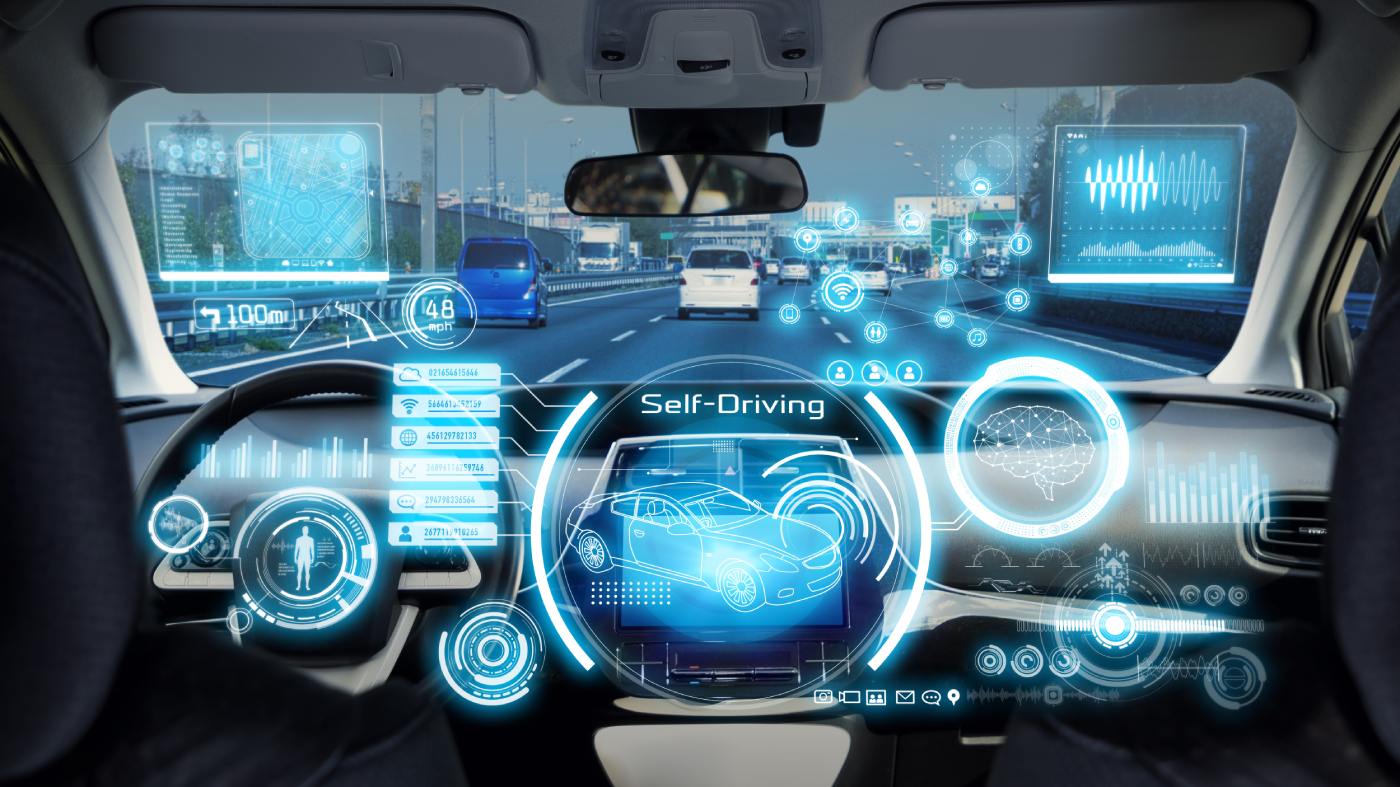
Today's cars are no longer mere vehicles but sophisticated supercomputers on wheels, capable of delivering personalised experiences through advanced software solutions.
According to a 2023 McKinsey report, the automotive software market is projected to reach $80bn by 2030, highlighting the industry's shift towards becoming technology driven. This evolution signifies a pivotal moment, with automakers transitioning from being centres of automotive and engineering excellence to leaders in technological innovation.
Evolution of automotive technology
As smart cities continue to develop globally, connected vehicles are poised to become integral components of urban mobility. Looking ahead, vehicle-to-everything (V2X) connectivity holds the potential to offer holistic solutions encompassing vehicle-to-vehicle (V2V), vehicle-to-cloud (V2C), vehicle-to-pedestrian (V2P) and vehicle-to-network (V2N) interactions, thereby laying the foundation for a connected and intelligent mobility ecosystem.
Maintaining a razor-sharp focus on delivering elevated personalised experiences is paramount. Consumer expectations are evolving rapidly, with customers demanding the seamless integration of technology into everyday mobility solutions.
By leveraging data analytics and artificial intelligence (AI)-driven insights, automakers can anticipate and address several challenges in the user journey, thereby enhancing customer satisfaction and loyalty.
GM's response to this comes together with OnStar, a digitally enabled solution that provides in-vehicle connectivity. A seamless mobile application offers instant advisory, enhanced road-side assistance, remote commands, emergency services and connected entertainment.
By deploying the latest in technology, we can preempt evolving customer preferences, provide services in real time and deliver instant solutions at the click of a button.
Mobility's next frontier
Eventually, however, adoption and implementation demand crucial collaboration between the public and private sectors.
Government entities play a key role in building a robust and agile automotive playing field, and integration with the private sector can contribute expertise, with years of experience gained in global markets. Together, this enables the creation of a fair and forward-looking regulatory environment that drives innovation, and investment in enhanced cybersecurity and the ethical use of technology.
There is also significant scope for pioneers to invest in science, technology, engineering and mathematics (Stem) education and workforce readiness – a much-needed change if we are to lead the way forward.
The automotive industry, with its increasing reliance on software and digital technologies, faces a growing demand for skilled professionals in areas such as cybersecurity, software development and data analytics.
To address this challenge, partnerships between universities, Stem entities and automakers are essential in preparing the future workforce for the demands of the automotive technology landscape. By investing in education and promoting lifelong learning opportunities, stakeholders can ensure that the automotive workforce remains competitive and capable of driving future innovations in mobility.
As we stand on the brink of this new era in mobility, it is incredible to reflect on the journey from the first electric starter in 1912 to today’s software-enabled, heavily coded supercomputers on wheels. In 1912, no-one could have imagined the transformative power that cars would come to hold, not just in terms of transportation but as integral parts of our connected, sustainable and technologically advanced lives.
There seems to be no limit to the future of mobility, and provided that all the right elements are in place, we may be in for more surprises yet. Transformation, as always, is best achieved together.

You might also like...

Prequalification begins for Riyadh Expo vertical assets
27 February 2026

Data discipline is the key to AI success in construction
26 February 2026

Qatar takes a quantum leap in fulfilling LNG ambitions
26 February 2026

Contractor appointed for UAE-Saudi power grid interconnection
26 February 2026

A MEED Subscription...
Subscribe or upgrade your current MEED.com package to support your strategic planning with the MENA region’s best source of business information. Proceed to our online shop below to find out more about the features in each package.