


Only a few sites have stopped work due to hostilities, as contractors prepare for potential cost increases on projects


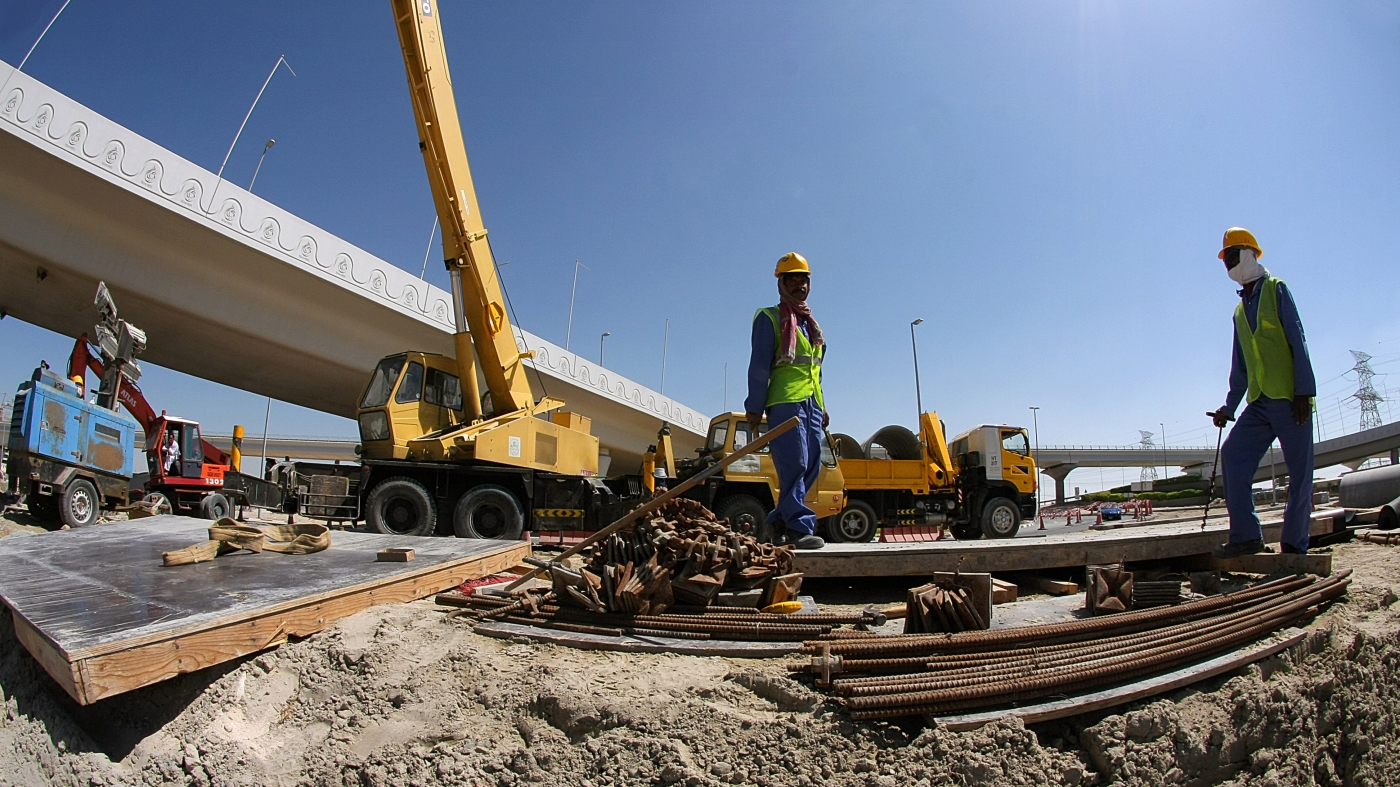
The conflict in the Gulf has so far had a limited impact on projects in the GCC, with most sites operating normally since hostilities began on 28 February. In total, there are 6,738 projects under execution across the GCC, with a combined value of $951bn, according to regional projects tracker MEED Projects.
Contracting companies in the region say that the majority of their projects have not been affected by the conflict, and work has continued onsite without disruption. However, a few sites have temporarily halted operations, either at the request of the authorities or because they were considered at risk due to their strategic locations.
“Work has continued on our projects in Dubai. We have only one site where we were asked to stop work,” says a contractor overseeing projects across Dubai.
Another contractor operating across the UAE has also continued work but halted operations at one site following a nearby security incident. “We have one site that was close to a facility that was struck by debris, so we stopped work,” the contractor says.
Work has also continued on projects outside of the UAE. In Saudi Arabia and Qatar, contractors continue to work on projects, including strategically sensitive oil and gas projects. “We have continued work on most of our projects. There are a few sites where we have been asked to stop work, but this is the minority, and at most sites we are still working,” says an international contractor.
Supply chain concerns
While operations largely continue as normal, there are concerns that projects could be impacted later due to supply chain disruption. Ports in the region have been targets, and with international shipping passing through the Strait of Hormuz effectively stopping, there is an expectation that international shipments will be delayed. A related concern is the sharp spike in oil prices that will be inflationary.
How the disruption is handled will depend on the terms of specific contracts and on how companies choose to navigate the issue. The general consensus among contractors and lawyers is that it is not a force majeure event. Instead, it is general disruption that should be noted and documented, should there be cost or time implications later in the project.
One Dubai-based contractor said the strategy for now is to support clients as best as possible amid this uncertainty, while noting that there may be cost implications later.
The region has been considered a safe place for tourism, and also for the rich to live in a tax-free haven. The attacks on Dubai may change that perception, and that will impact the market in the future
International contractor
Future prospects
There are also concerns about the market’s future. There have been record levels of contract awards in recent years, and the worry is that the pace of contract awards may slow as uncertainty grips the market.
At the same time, some contract awards have been expedited. One Dubai-based contractor has signed two contracts since the conflict started. “We have signed deals that had been lingering for a while. I think the logic is that the client wants to lock in resources before prices or anything else changes,” says the contractor.
Longer term, it is expected that priorities for construction could shift. Contractors say that defence will become more of a priority for governments in the future, and so will strategic infrastructure projects such as power and water.
There might also be increased interest in making infrastructure more secure, which will add an additional layer of complexity for construction companies. “Facilities like data centres may be located underground in the future to protect them from attacks,” says a UAE-based contractor.
The outlook for other sectors is more challenged, particularly real estate and tourism.
“The region has been considered a safe place for tourism, and also for the rich to live in a tax-free haven,” says the international contractor. “The attacks on Dubai may change that perception, and that will impact the market in the future. Tourism is a key component of national visions across the GCC, so I think there will have to be a rethink of economic strategies for the future.”
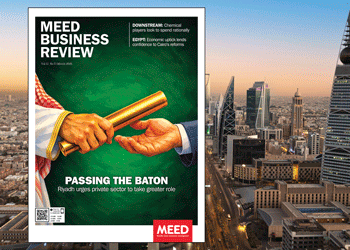
 READ THE MARCH 2026 MEED BUSINESS REVIEW – click here to view PDF
Riyadh urges private sector to take greater role; Chemical players look to spend rationally; Economic uptick lends confidence to Cairo’s reforms.
Distributed to senior decision-makers in the region and around the world, the March 2026 edition of MEED Business Review includes:
> RAMADAN: Data disproves the Ramadan slowdown story > INDUSTRY REPORT: Chemicals producers look to cut spending > INDUSTRY REPORT: Global petrochemical project capex set to rise until 2030 > MARKET FOCUS: Egypt’s crisis mode gives way to cautious revival > LEADERSHIP: Delivering Saudi Arabia’s next phase of rail growth > INTERVIEW: Abu Dhabi’s Enersol charts acquisitions path |
To see previous issues of MEED Business Review, please click here
You might also like...
Algeria tenders multiple railway consultancy contracts
04 March 2026
Contractors begin Riyadh metro line two extension works
04 March 2026
Saudi Arabia’s private sector steps up
04 March 2026

A MEED Subscription...
Subscribe or upgrade your current MEED.com package to support your strategic planning with the MENA region’s best source of business information. Proceed to our online shop below to find out more about the features in each package.