



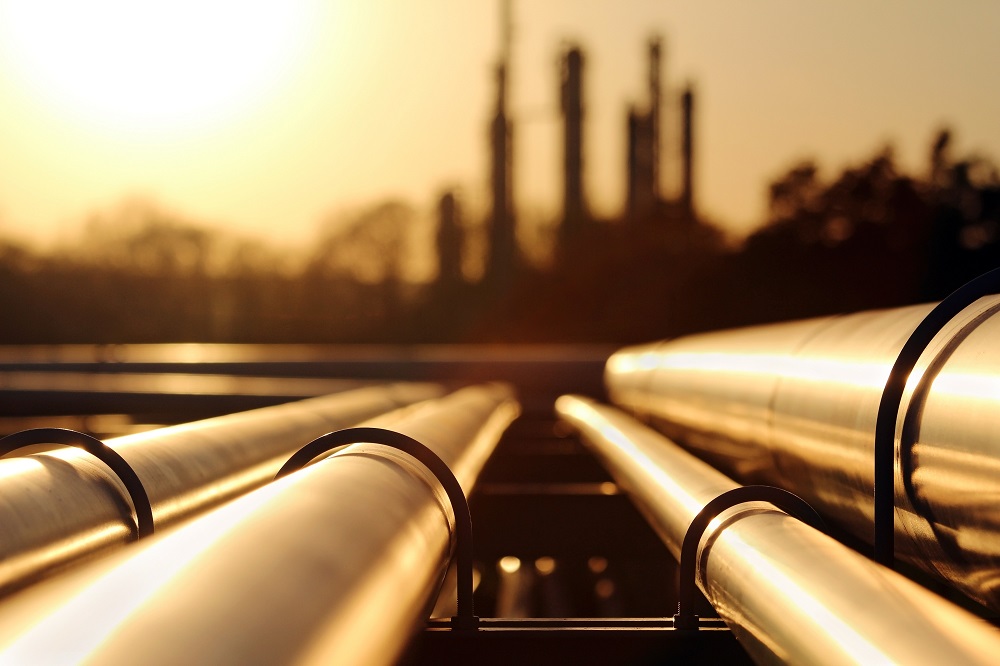
In many cases, asset owners will be required to pay for most of the repair costs


Insurers are expected to cover only a fraction of the damage to oil and gas facilities in the Middle East caused by the regional war, according to industry sources.
Standard industrial property and business interruption policies typically exclude damage and disruption caused by acts of war. Companies therefore need specialist war-risk insurance or political violence and terrorism (PVT) insurance to be eligible for payouts.
While most state-owned national oil companies (NOCs) are likely to have arranged this type of cover for major facilities, it is less common among smaller private or publicly traded companies.
As a result, many assets – such as smaller fertiliser plants and chemical facilities – are expected to be uninsured for war-related damage.
“War insurance was never a widely purchased product in the region,” said one source. “It’s one of these things that people never really believe is going to happen.
“In a lot of companies, spending hundreds of thousands of dollars every year for this kind of product was seen as something they couldn’t really justify.”
Even companies that purchased war-risk or PVT insurance before the US and Israel attacked Iran on 28 February are unlikely to be covered for the full extent of war damage.
War-risk insurance for large assets such as oil refineries or LNG terminals typically carries limits of $200m to $500m.
In many cases, repairs to the region’s large and complex oil and gas facilities are likely to cost billions of dollars.
One source said: “If you had, for example, an oil refinery that’s worth $8bn, you couldn’t really buy a war insurance policy to cover the price of a complete rebuild.
“There just isn’t enough insurance capacity in the market to buy that level of cover.
“Very often NOCs were buying cover at the highest level they could find, but this was limited by what markets were prepared to insure.”
Payout timing
Full insurance settlements for war damage are expected to take significant time – potentially 18 months to two years for some policyholders.
Payments typically begin with an initial payout of around 20%-30% of the total claim. This is followed by a second payment mid-project – usually once engineering is complete – and then a final payment.
In most cases, projects to rebuild and repair damaged oil and gas facilities are not expected to be delayed while owners wait for insurance proceeds.
One source said: “A lot of the owners of these damaged facilities don’t see the current situation as the right time to start rebuilding, but that isn’t because they are waiting for insurance money.
“The risk of new attacks and more damage is still high, and they are going to want to wait for signs of more stability before they start rebuilding.”
Experts believe that once the security environment improves, facility owners will begin tendering repair and reconstruction contracts even if insurers have not settled claims.
“A lot of the companies that operate oil, gas and chemical facilities in the region have access to funds that will allow them to rebuild without being reliant on insurers,” said one source.
“Even if they have a policy that they expect to pay out, it is likely that they will go ahead with the project before receiving full payment if they think it is the right time to rebuild.”
Once the security environment improves, the cost of rebuilding fully destroyed units is expected to be higher than when they were originally constructed, due to multiple rebuild projects progressing in parallel across the region.
This is likely to drive a spike in demand for skilled labour and materials, pushing up costs.
Market impact
Insurers providing this type of cover in the region have generally experienced several years of low payout levels, so they are expected to meet claims with limited financial strain.
However, the volume of claims stemming from the US and Israel’s war with Iran is expected to harden the war-risk and PVT insurance market, increasing premiums for owners of oil and gas facilities for some time.
Ultimately, the limited scope of coverage means the financial burden of the war will fall more heavily on asset owners than on insurers.
Even where cover is in place, policy limits mean insurers will only partially offset the cost of rebuilding large facilities, leaving companies and governments to bridge funding gaps.
The experience is likely to prompt a reassessment of risk across the region’s energy sector, with lenders and investors placing greater emphasis on potential political violence-related damage when evaluating projects.
 READ THE MAY 2026 MEED BUSINESS REVIEW – click here to view PDF
Global energy sector forced to recalibrate; Conflict hits debt issuance and listings activity; UAE’s non-oil sector faces unclear recovery period amid disruption.
Distributed to senior decision-makers in the region and around the world, the May 2026 edition of MEED Business Review includes:
> REGIONAL LNG: War undermines business case for Middle East LNG > CAPITAL MARKETS: Damage avoidance frames debt issuance > MARKET FOCUS: Conflict tests UAE diversification |
To see previous issues of MEED Business Review, please click here
You might also like...

UAE's e& exits Vodafone in $5.95bn share sale
10 July 2026

Projects market holds its nerve
10 July 2026
Malaysian contractor wins $227m Abu Dhabi project
10 July 2026


A MEED Subscription...
Subscribe or upgrade your current MEED.com package to support your strategic planning with the MENA region’s best source of business information. Proceed to our online shop below to find out more about the features in each package.